Lifetime ISA Explained: Bonus and Rules
In short
- You can open a Lifetime ISA from 18 until the day before you turn 40, and pay in up to £4,000 a year until you're 50.
- The government adds a 25% bonus, up to £1,000 a year. Your payments count towards your £20,000 ISA allowance.
- You can use it without a charge for a first home costing £450,000 or less, from age 60, or if terminally ill.
- Any other withdrawal costs 25% of the amount, which takes back more than the bonus added.
- The government plans a First Time Buyer ISA to be offered in place of the Lifetime ISA. Existing accounts carry on.
- Most you can pay in each tax year
- £4,000
- Most bonus a year (25% of £4,000)
- £1,000
- Price limit for a first home
- £450,000
- Charge on other withdrawals before 60
- 25%
On this page
- How does a Lifetime ISA work?
- Who can open a Lifetime ISA?
- How much bonus do you get?
- Cash or stocks and shares Lifetime ISA?
- How do you use a Lifetime ISA to buy your first home?
- What is the Lifetime ISA withdrawal charge?
- Can you use a Lifetime ISA for retirement?
- Lifetime ISAs and Help to Buy ISAs
- Is the Lifetime ISA being replaced?
- Is a Lifetime ISA right for you?
- Related guides
- Sources
A Lifetime ISA (LISA) is a tax-free account for saving towards your first home or for later life, with a government bonus of 25% on what you pay in. Put in £4,000 and the government adds £1,000. The catch is that the money is locked in: take it out for any other reason before you’re 60 and you pay a 25% charge, which costs more than the bonus. This guide explains how it works, the conditions for buying a home and what the planned replacement means for you.
How does a Lifetime ISA work?
| Rule | Lifetime ISA, 2026/27 |
|---|---|
| Age to open | 18 to 39 (first payment before your 40th birthday) |
| Most you can pay in | £4,000 a tax year, until you turn 50 |
| Government bonus | 25% of what you pay in, up to £1,000 a year |
| Counts towards your £20,000 ISA allowance? | Yes, your payments do; the bonus doesn’t |
| Free withdrawals | First home up to £450,000, age 60+, terminal illness |
| Other withdrawals | 25% charge on the amount you take out |
| Can hold | Cash, investments, or both |
Interest, income and growth inside a Lifetime ISA are tax-free, like any other ISA. You can only pay into one Lifetime ISA in each tax year, but you can still pay into other types of ISA alongside it, within your overall £20,000 allowance.
Who can open a Lifetime ISA?
You must be 18 or over but under 40 to open one, and you need to make your first payment before your 40th birthday. Like other ISAs, you need to be UK resident, or a Crown servant or member of the armed forces (or their spouse or civil partner) based abroad.
Once it’s open, you can keep paying in until you turn 50. After that the account stays open and keeps growing, but you can’t pay in and you won’t get any more bonus.
How much bonus do you get?
The bonus is 25% of whatever you pay in, so the maximum is £1,000 a year on £4,000 of payments. MoneyHelper says the bonus is paid monthly, so it starts working for you during the year rather than in one go at the end.
Example: you pay £250 a month for a year, £3,000 in total. The government adds £750 in bonuses, giving you £3,750 before any interest or growth.
The bonus is added to the account, so it earns interest or investment growth too. Someone who pays in the full £4,000 every year for ten years gets £10,000 in bonuses, plus whatever all of it earns.
Cash or stocks and shares Lifetime ISA?
A Lifetime ISA can hold cash, investments, or both, depending on the provider. The same broad trade-off applies as with other ISAs. A cash Lifetime ISA can’t fall in value, which matters if you’re buying a home soon. A stocks and shares Lifetime ISA may grow more over a long period, such as saving for retirement, but its value can fall as well as rise. Our guide to stocks and shares ISAs versus cash ISAs explains the difference in more detail.
If a provider fails, the Financial Services Compensation Scheme protects cash up to £120,000 per person, per bank, and investments up to £85,000 per person, per firm. It doesn’t cover investments falling in value.
How do you use a Lifetime ISA to buy your first home?
You can withdraw your savings, including the bonus, without a charge to buy your first home if all of these apply:
- the property costs £450,000 or less
- it’s at least 12 months since your first payment into the Lifetime ISA
- you’ve never owned a home, in the UK or anywhere else in the world
- you’re buying with a mortgage, and the home is to live in, not buy-to-let
- the mortgage isn’t from a relative or other connected person, such as a parent, grandparent, sibling, child or grandchild
- a conveyancer or solicitor acts for you, and the Lifetime ISA provider pays the money to them, not to you
The conveyancer asks for the money. According to HMRC’s guidance, the purchase should be expected to complete within 90 days of the withdrawal, and the conveyancer can ask for extensions of 60 days and then a further 30 days. If the purchase falls through, the money goes back into your Lifetime ISA.
Buying with a partner
If you buy with someone who also has a Lifetime ISA, you can both use your savings and bonuses, as long as you’re both first-time buyers who meet the conditions. You can also buy with someone who has owned a home before, but only the first-time buyer can use their Lifetime ISA.
Example: a couple buying their first home for £300,000 both have a Lifetime ISA. One has paid in £12,000 and received £3,000 in bonuses; the other has paid in £8,000 and received £2,000. They can put the full £25,000 towards the deposit without any charge.
What is the Lifetime ISA withdrawal charge?
If you take money out for any reason other than a first home, reaching 60 or terminal illness (with less than 12 months to live), you pay a 25% charge on the amount you withdraw. Transferring a Lifetime ISA to a different type of ISA before 60 is treated the same way.
Because the charge is 25% of the whole amount, bonus included, it takes back more than the 25% bonus added.
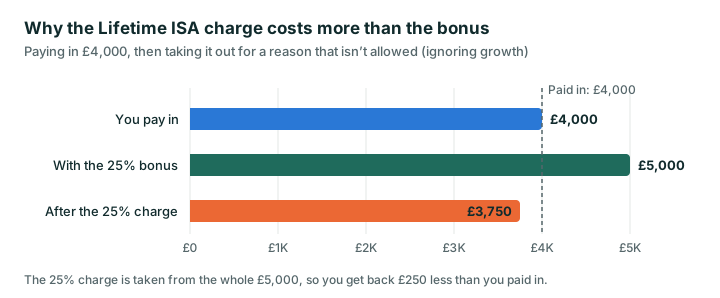
Example: you pay in £4,000 and get a £1,000 bonus, making £5,000. A 25% charge on £5,000 is £1,250, which leaves you with £3,750. That’s £250 less than you put in.
There’s no charge if the account holder dies. The account ends on the date of death.
Can you use a Lifetime ISA for retirement?
Yes. From your 60th birthday you can take out any amount for any reason, tax-free and without a charge. That makes it an alternative or addition to a pension for some people, but the two work differently:
- Getting at your money: a Lifetime ISA opens at 60, while a personal pension can usually be accessed from 55, rising to 57 from April 2028.
- Tax on the way out: Lifetime ISA withdrawals from 60 are tax-free. With a pension, usually a quarter is tax-free and the rest is taxed as income.
- Top-ups: a Lifetime ISA adds 25% on up to £4,000 a year. A pension adds tax relief at your income tax rate on much higher amounts, and a workplace pension also gets employer contributions, which a Lifetime ISA can’t.
If you’re employed, giving up employer pension contributions to pay into a Lifetime ISA instead usually means losing money. Our guide to pension tax relief explains how pension top-ups work.
Lifetime ISAs and Help to Buy ISAs
Help to Buy ISAs closed to new savers, but existing holders can still pay in until November 2029. If you have both, you can only use the bonus from one of them to buy your first home. You can transfer a Help to Buy ISA into a Lifetime ISA without a penalty, but the transfer counts towards that year’s £4,000 limit. Moving money the other way, from a Lifetime ISA to a Help to Buy ISA, triggers the 25% charge.
Is the Lifetime ISA being replaced?
The government is planning a new First Time Buyer ISA, which it says will be offered in place of the Lifetime ISA once it’s available. HM Treasury consulted on it between June and August 2026. The proposals include:
- no upper age limit to open one
- a bonus paid as a percentage of what you put in, available after a year
- cash and stocks and shares versions
The yearly limit, bonus rate and price cap haven’t been set yet, and there’s no launch date. Until it launches you can still open a Lifetime ISA. HMRC has said existing Lifetime ISA savings carry on under the current rules, and the consultation says you won’t be able to transfer a Lifetime ISA into the new product, though both could be used for the same purchase. We’ll update this guide when the government publishes its decision.
Is a Lifetime ISA right for you?
That depends on your plans, and we can’t make the call for you. These are the questions that matter most:
- Will you buy within the price limit? The £450,000 cap applies everywhere in the UK, and you can’t use the account penalty-free for a more expensive home.
- Could you need the money for something else before 60? If so, the 25% charge could leave you with less than you paid in.
- Is it more than 12 months until you buy? The account has to be open for a year before you can use it for a home.
- Are you giving up anything better? For retirement saving, compare it with your workplace pension, especially if your employer adds money.
MoneyHelper offers free, impartial guidance if you’d like to talk it through. For how the Lifetime ISA fits with other ISA types, see ISAs explained.
Sources
- GOV.UK: Lifetime ISA
- GOV.UK: Who can open a Lifetime ISA
- GOV.UK: Withdrawing money from your Lifetime ISA
- HMRC: Lifetime ISA withdrawals for a first-time residential purchase (guidance for conveyancers)
- HMRC: Managing Lifetime ISA applications and accounts
- MoneyHelper: A guide to Lifetime ISAs
- HM Treasury: First Time Buyer ISA consultation (June 2026)
- HMRC: Tax-free savings newsletter 19 (November 2025)
- FSCS: What we cover
Our guides are general information and education, not personal financial advice. If you are unsure whether an investment is right for you, speak to a regulated financial adviser. Capital at risk. Investments can fall as well as rise, and you may get back less than you put in.